How four independent directors are redefining cinematic storytelling through Apple’s mobile filmmaking technology and the MAMI Select: Filmed on iPhone initiative.
The future of filmmaking is increasingly mobile, and four emerging Indian directors are demonstrating how powerful storytelling can emerge from a device that fits in a pocket.
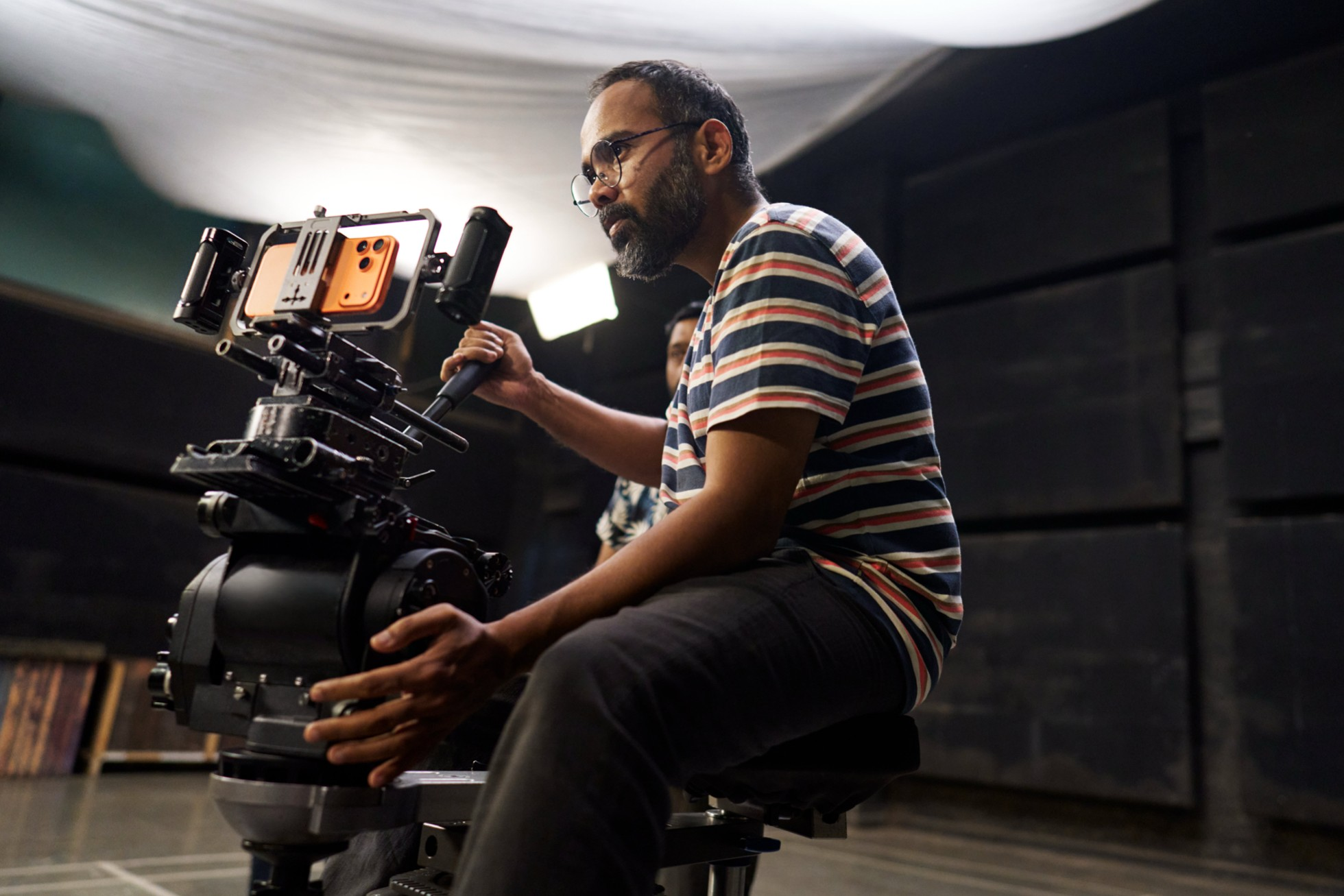
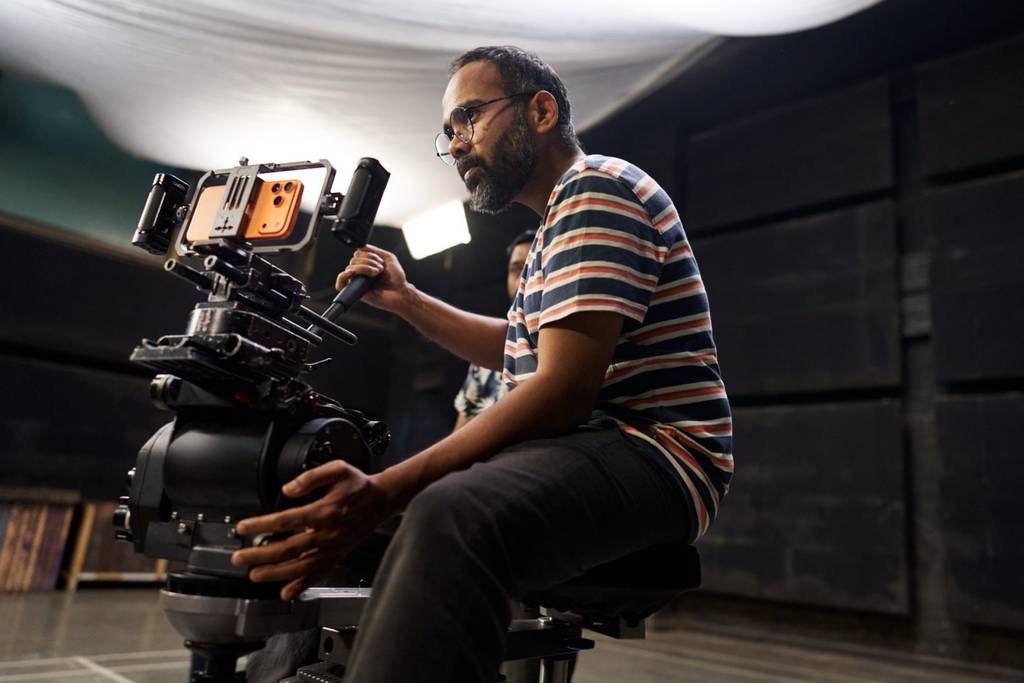
Through the 2026 edition of MAMI Select: Filmed on iPhone, an initiative by the Mumbai Academy of Moving Image (MAMI), filmmakers Shreela Agarwal, Ritesh Sharma, Robin Joy, and Dhritisree Sarkar have created four original short films using Apple’s iPhone 17 Pro Max, exploring new possibilities in cinematography, visual storytelling, and independent film production.
Now in its third year, the program continues to support emerging filmmaking talent while challenging conventional assumptions about the equipment required to create cinema.
The four productions explore different themes, from identity and human relationships to spirituality, social inequality, and the struggle for personal expression. Although each director approaches storytelling from a distinct perspective, all four share a commitment to using mobile technology as a creative tool rather than allowing equipment limitations to define their artistic ambitions.
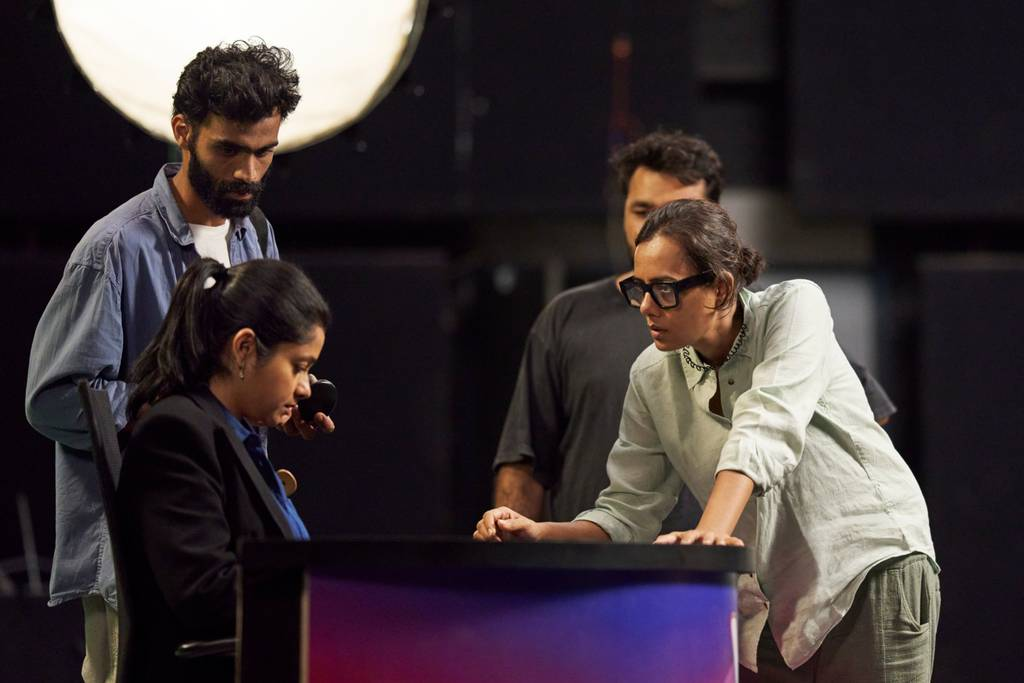
Supported by established Indian filmmakers serving as mentors, including Sriram Raghavan, Chaitanya Tamhane, Dibakar Banerjee, and Geetu Mohandas, the program offers participants an opportunity to develop their cinematic voices while experimenting with professional filmmaking workflows.
Four Directors, Four Stories, One Mobile Camera
Shreela Agarwal — 11.11
For filmmaker Shreela Agarwal, returning to cinema was a personal journey.
After studying filmmaking at Singapore’s LASALLE College of the Arts, she temporarily left the industry to pursue competitive boxing, eventually winning a national bronze medal. A career-ending injury brought her back to storytelling.
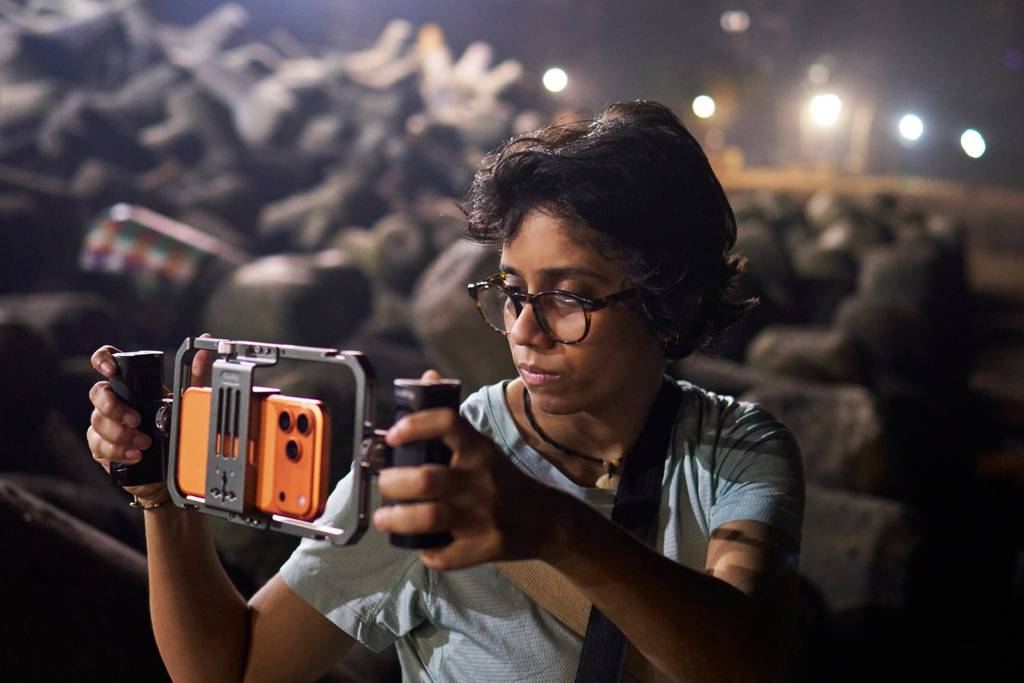
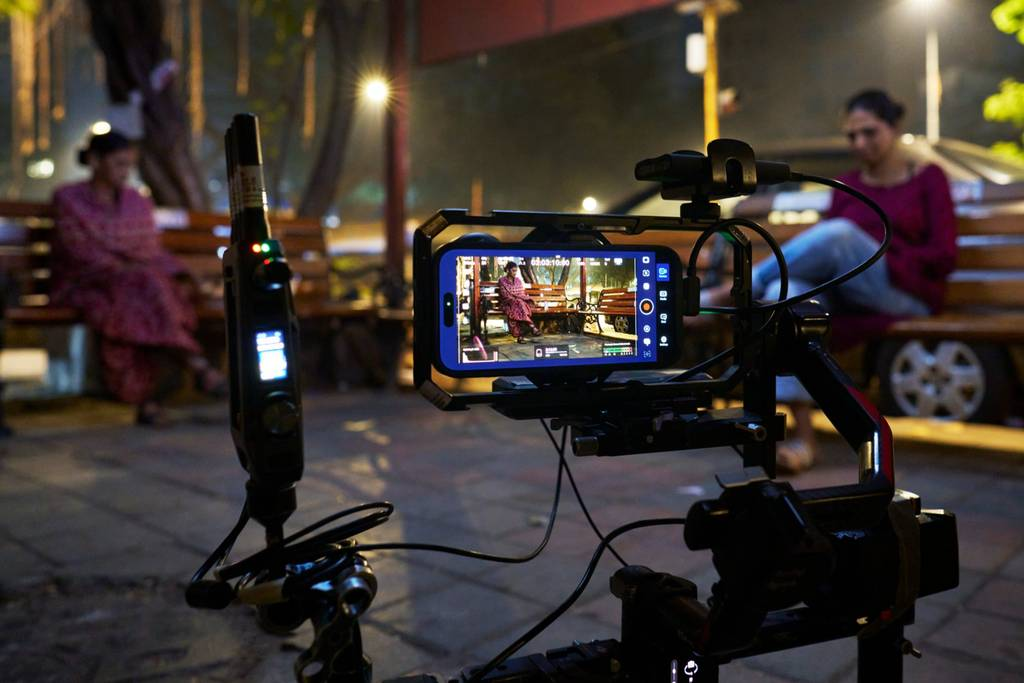
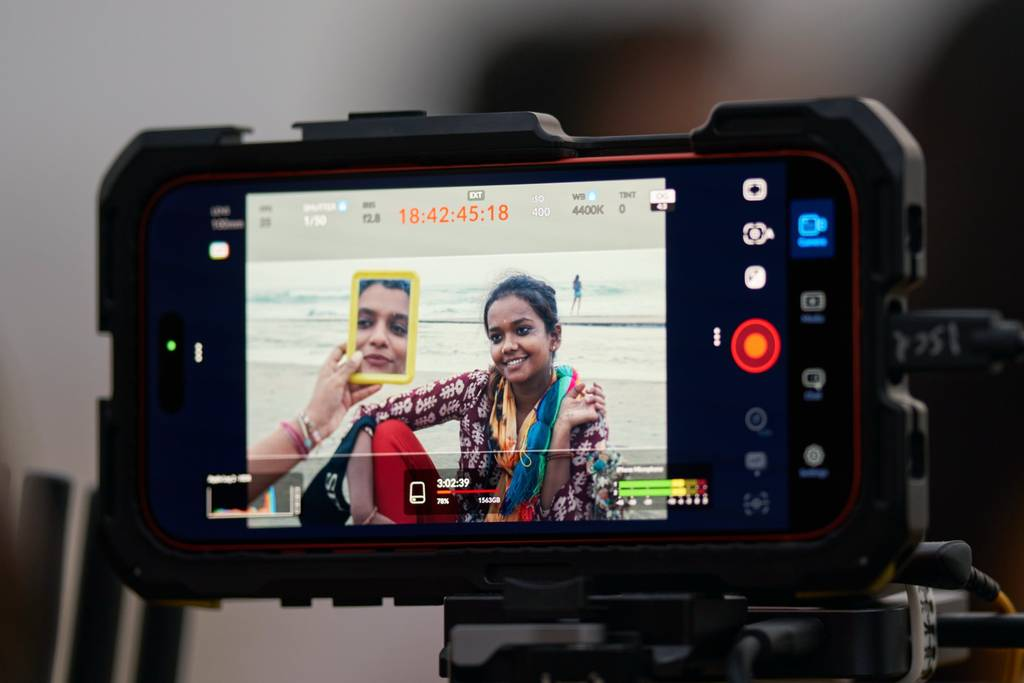
Her latest short film, 11.11, follows two women navigating a first date through the streets of Mumbai after dark.
Filming largely at night presented significant technical challenges, particularly in controlling exposure, capturing natural street lighting, and preserving visual detail in dark environments.
Using the iPhone 17 Pro Max and ProRes RAW recording, Agarwal and her team captured footage with greater flexibility for color correction and exposure adjustments during post-production.
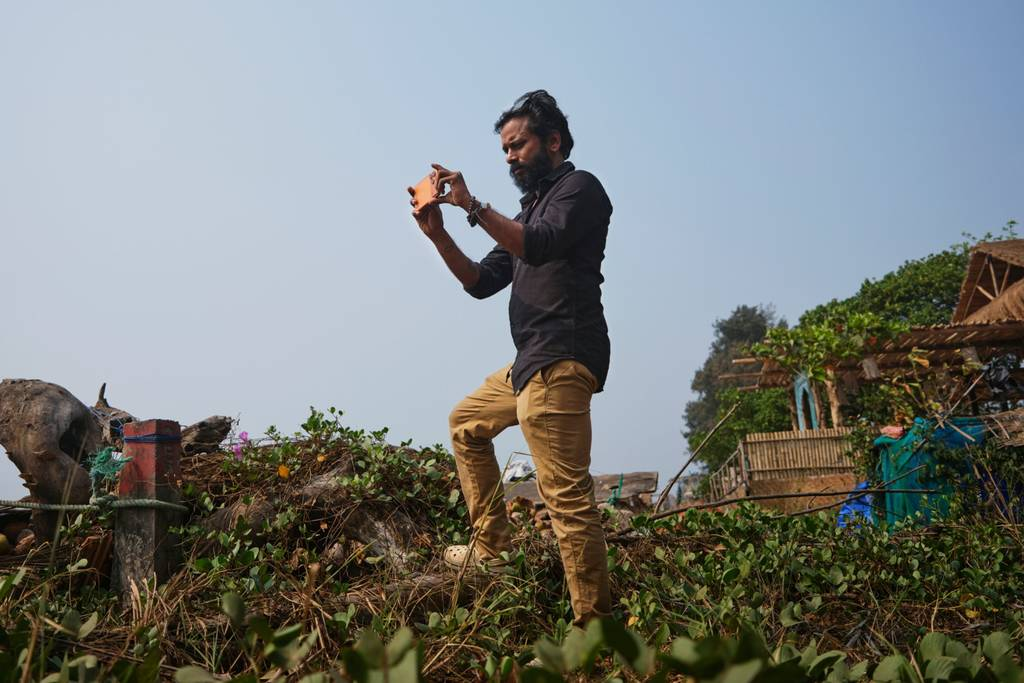
The lightweight camera also allowed her to move alongside actors during dynamic sequences, including scenes filmed across rocky coastal locations.
Rather than relying on extensive lighting installations, the production took advantage of available light and the smartphone’s recording capabilities to develop an intimate and atmospheric visual style.
Her experience demonstrates how mobile cinematography can provide greater physical freedom while reducing some of the logistical barriers associated with conventional productions.
Ritesh Sharma — She Sells Seashells
Director Ritesh Sharma approaches cinema through a combination of realism, social observation, and dreamlike visual storytelling.
His short film, She Sells Seashells, follows Maruti, a 17-year-old migrant from Rajasthan who sells small items along the beaches of Goa while dreaming of entering an upscale seaside restaurant.
The story explores aspiration, dignity, and the invisible social boundaries that shape everyday life.
To visualize the protagonist’s internal world, Sharma incorporated the iPhone 17 Pro Max’s Cinematic Mode, using changes in focus to distinguish between physical reality and imagination.
The production also explored the device’s audio capabilities to capture the atmosphere of Goa, including ocean waves, crowded environments, and the distinctive sounds of local celebrations.
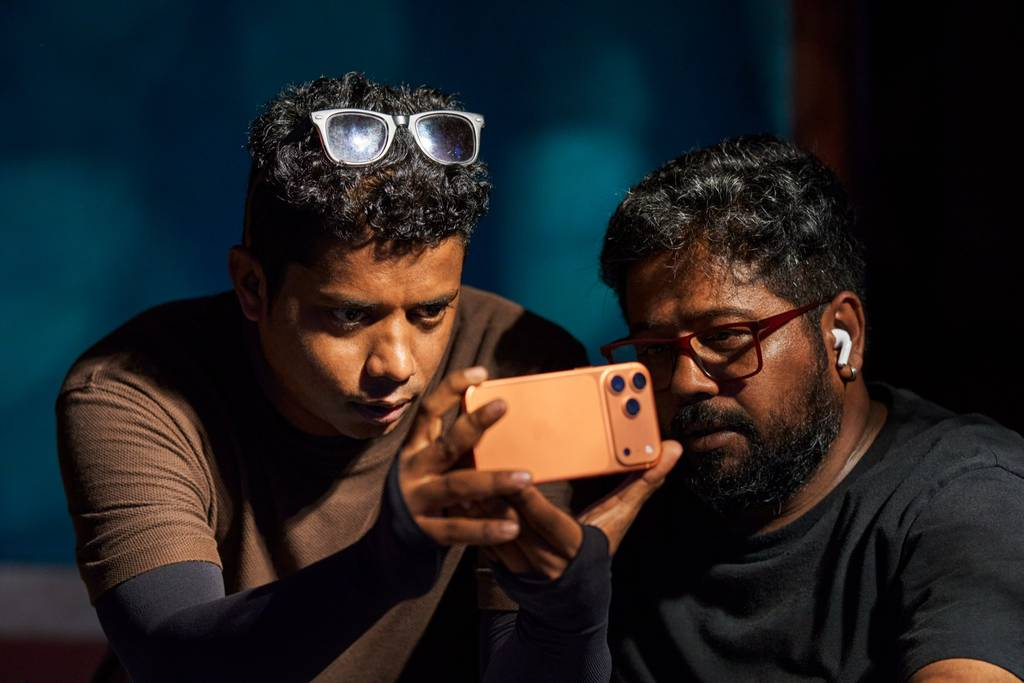
Working with the Blackmagic Camera application, the team was able to approach mobile production with greater control over framing and camera settings.
Sharma’s experience reflects a central advantage of smartphone filmmaking: its ability to operate within active public environments while allowing directors to respond quickly to spontaneous moments.
Robin Joy — Pathanam (Paradise Fall)
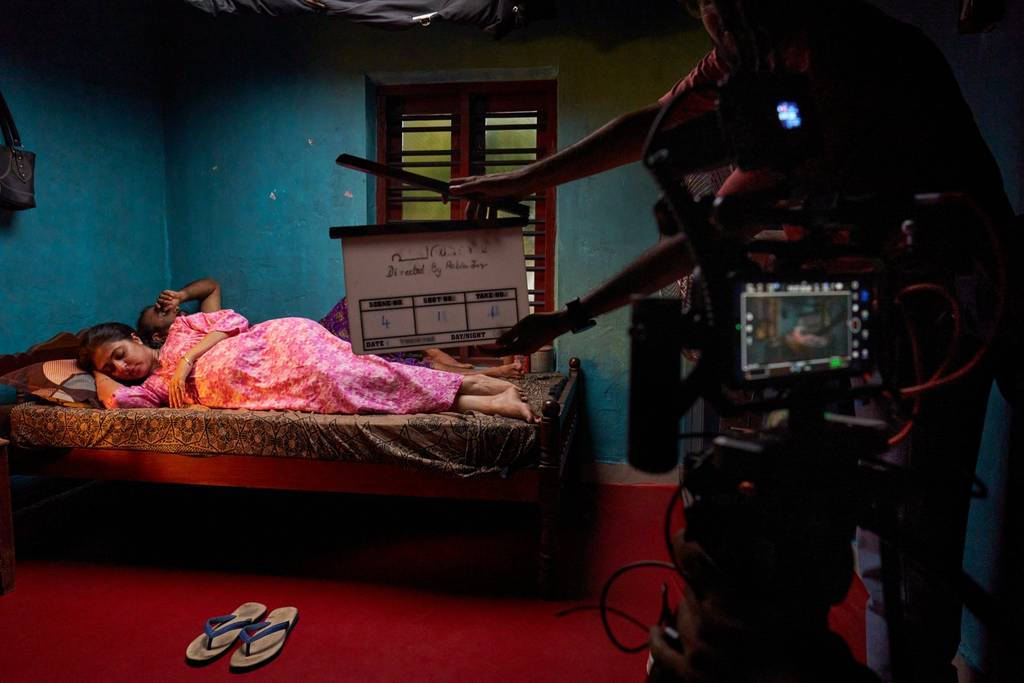
Filmmaker Robin Joy brings a more ambitious visual approach to mobile cinema with Pathanam (Paradise Fall).
The short film tells the unusual story of an angel who falls into the backyard of an atheist, setting off a series of events that explore faith, society, and human behavior.
A graduate of the Film and Television Institute of India, Joy previously worked as associate director and dialogue writer on All We Imagine as Light, the acclaimed production that received the Grand Prix at the 2024 Cannes Film Festival.
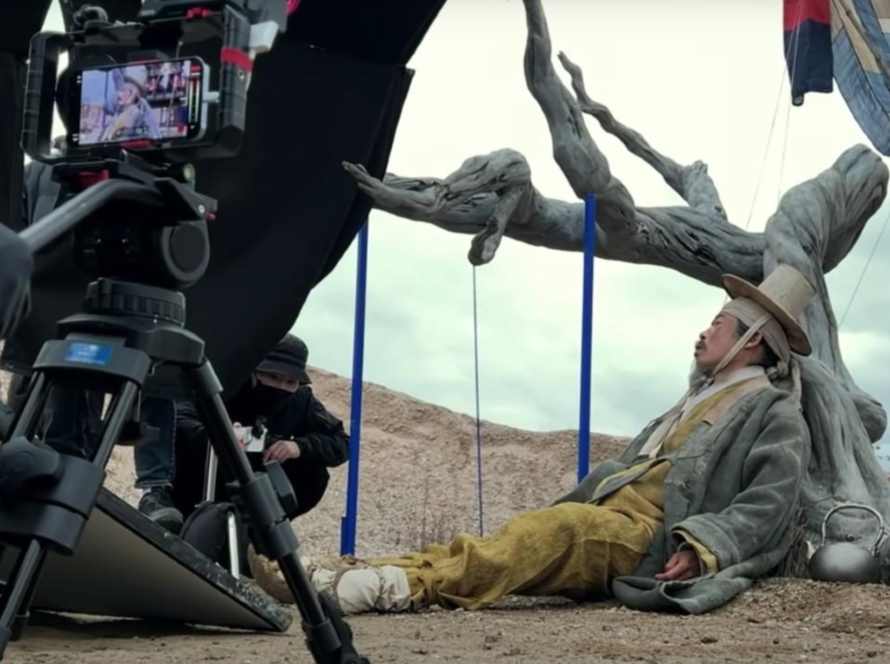
For Pathanam, Joy faced demanding shooting conditions involving outdoor locations, action sequences, and visual effects.
The iPhone 17 Pro Max’s Action Mode helped stabilize footage during moving sequences, including filming aboard a small boat.
The production also took advantage of the device’s thermal management system during extended shooting schedules.
One of the film’s most challenging moments involved creating a visual-effects sequence in which the angel unfolds its wings and returns to the sky.
Using Adobe Premiere Pro and AI-assisted masking tools, the team completed complex visual work within a considerably shorter production timeline than originally anticipated.
The result illustrates how mobile cinematography and modern post-production technologies can work together to make technically ambitious projects more accessible to emerging filmmakers.
Dhritisree Sarkar — Kathar Katha (The Tale of Katha)
For Dhritisree Sarkar, filmmaking is an extension of her interest in human behavior, identity, and social structures.
Originally trained in economics and specializing in gender and development, Sarkar began exploring cinema through accessible recording technology.
Her earlier short film, Chhaddonam (Pen Name), was shot using an iPhone 7 and later acquired by the streaming platform MUBI.
Her latest project, Kathar Katha (The Tale of Katha), centers on a news anchor diagnosed with a fictional condition that gradually closes her body’s external openings, creating a disturbing metaphor for silence, repression, and the loss of personal expression.
The production required precise close-up photography and carefully controlled visual compositions.
Using the iPhone 17 Pro Max’s macro capabilities and 200mm equivalent telephoto camera, Sarkar explored subtle details of the character’s emotional and physical transformation.
The team also combined ProRes RAW and Apple Log 2 recording with extensive color grading to create a textured visual aesthetic inspired by traditional celluloid film.
Additional tools, including the Blackmagic Camera application, an iPad Pro used for monitoring, and professional synchronization equipment, helped establish a more advanced production workflow.
Sarkar’s work demonstrates that mobile filmmaking is not limited to fast-moving productions or documentary-style storytelling. It can also support controlled, highly stylized cinematic narratives built around composition, performance, and atmosphere.
Professional Filmmaking Technology in a Mobile Device
Beyond the individual stories, the 2026 MAMI Select program highlights the rapid evolution of mobile imaging technology.
The iPhone 17 Pro Max introduces a range of tools designed to offer filmmakers greater control over image capture and production workflows.
Among the features explored by the directors were ProRes RAW recording, Apple Log 2, Cinematic Mode, Action Mode, advanced stabilization, macro photography, and 8x optical-quality framing through its 200mm equivalent telephoto camera.
These capabilities provide filmmakers with more options when working with demanding lighting conditions, complex camera movements, and detailed post-production processes.
The productions also incorporated MacBook Pro and iPad Pro devices, demonstrating how mobile camera systems can integrate into broader editing, monitoring, and color-grading workflows.
However, technology alone does not create compelling cinema.
Lighting, composition, sound, direction, editing, and storytelling remain essential elements of filmmaking, regardless of the device being used.
What mobile technology increasingly offers is an alternative path into the creative process, allowing filmmakers to experiment, develop projects, and execute visual ideas with fewer equipment-related barriers.
The Growing Global Movement of Mobile Filmmaking
The success of initiatives such as MAMI Select reflects a broader transformation taking place across the international film industry.
Smartphones have moved beyond their original role as tools for casual video recording and social media content. They are increasingly being used to produce documentaries, narrative shorts, music videos, and feature-length films intended for festival screenings and professional distribution.
For emerging filmmakers, the significance extends beyond technical specifications.
Access to equipment has historically represented one of the greatest obstacles to entering the film industry. Professional cameras, specialized lenses, lighting systems, and supporting production infrastructure can require substantial financial investment.
Mobile devices offer a more accessible starting point, allowing aspiring directors to concentrate resources on creative development, actors, locations, sound, and post-production.
At the same time, film festivals and dedicated educational initiatives are helping establish greater recognition for mobile filmmaking as a serious cinematic discipline.
The four MAMI Select productions reinforce an important distinction: mobile filmmaking is not simply about creating content with a smartphone. It is about applying cinematic principles and professional storytelling techniques through a different production medium.
A New Generation of Filmmakers Is Redefining What Cinema Can Be
The increasing sophistication of smartphone cameras is expanding the range of projects that can be produced with mobile devices.
Yet the most significant development may not be technological.
It is the growing number of filmmakers who can now participate in cinematic storytelling without depending entirely on traditional equipment and production structures.
The experiences of Shreela Agarwal, Ritesh Sharma, Robin Joy, and Dhritisree Sarkar illustrate how different creative backgrounds and artistic perspectives can converge around a common filmmaking tool.
Their projects demonstrate that mobile technology can support intimate character studies, socially conscious narratives, supernatural storytelling, and visually experimental cinema.
For the international mobile filmmaking community, initiatives like MAMI Select represent more than a showcase of technological innovation.
They are helping expand who gets to make films, which stories reach audiences, and how cinema continues to evolve.
As mobile devices become increasingly capable, the next generation of filmmakers may find that the most important investment is not necessarily a larger camera system, but a stronger creative vision.
Because ultimately, the future of cinema will be shaped not only by the technology filmmakers use, but by the stories they choose to tell.